
Dysbiosis
Dysbiosis means a bacterial imbalance in the gut microbiome, caused by an overgrowth of a bacteria or yeast. These are Dr. Rajsree's favorite supplements for treating Dysbiosis.
Please watch her video on Dysbiosis to learn more:

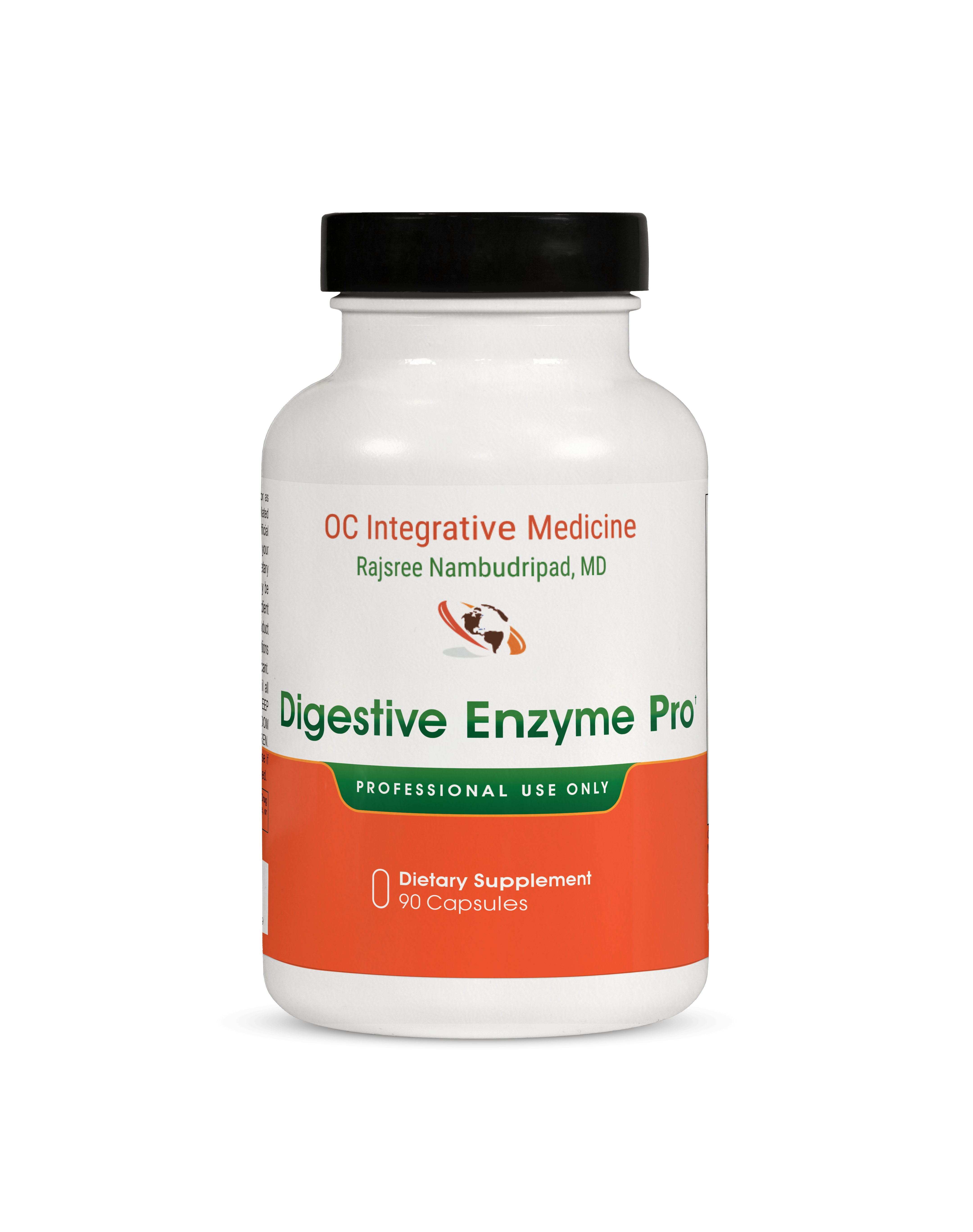
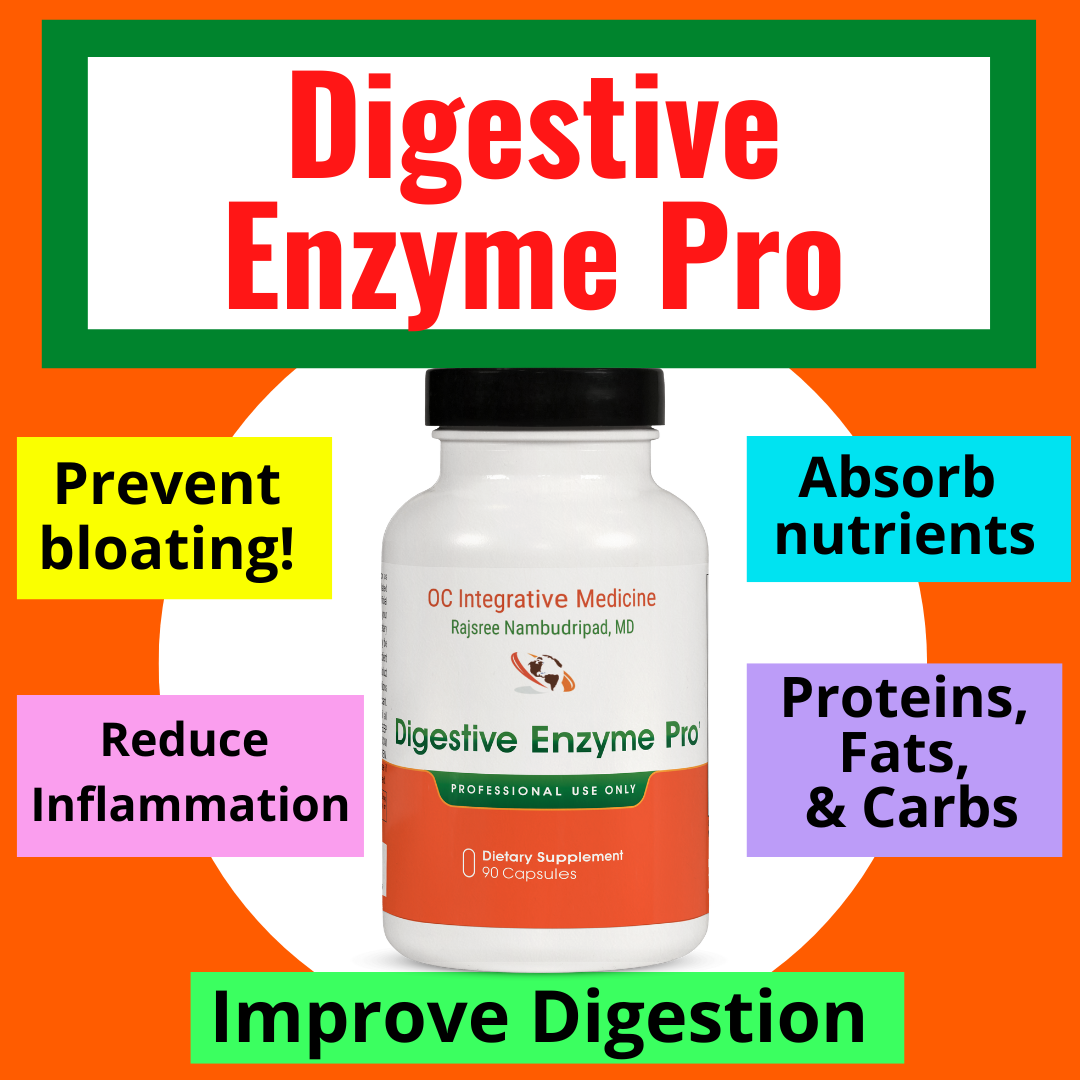
Digestive Enzyme Pro
Digestive Enzyme Pro is a full-spectrum enzyme strategically designed to support each phase of digestion. In the gastric phase, betaine HCl and pepsin prime the stomach, ensuring proper pH to initiate the first phase of digestion. This sets up the second stage of digestion, the enteric phase, in ...
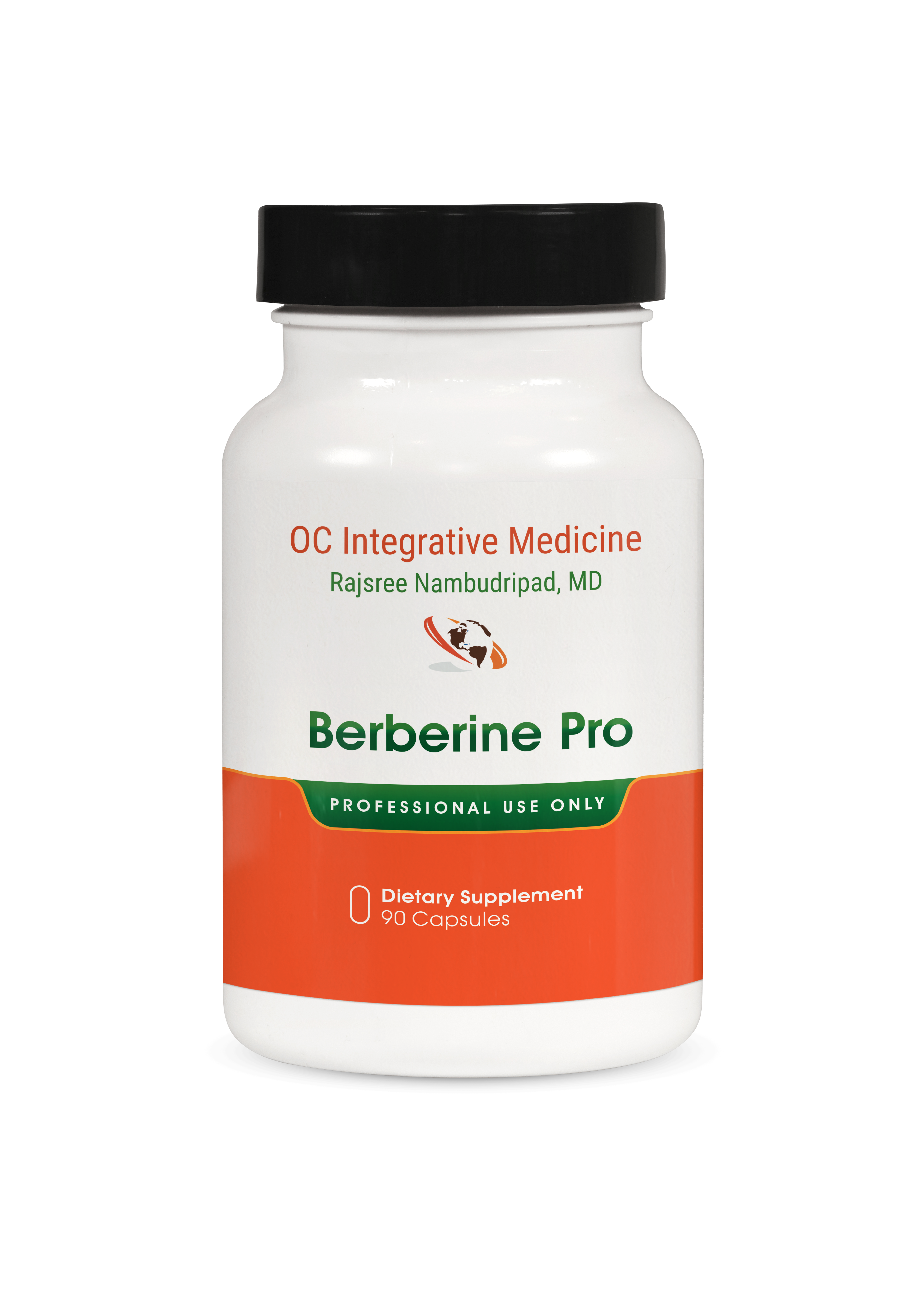
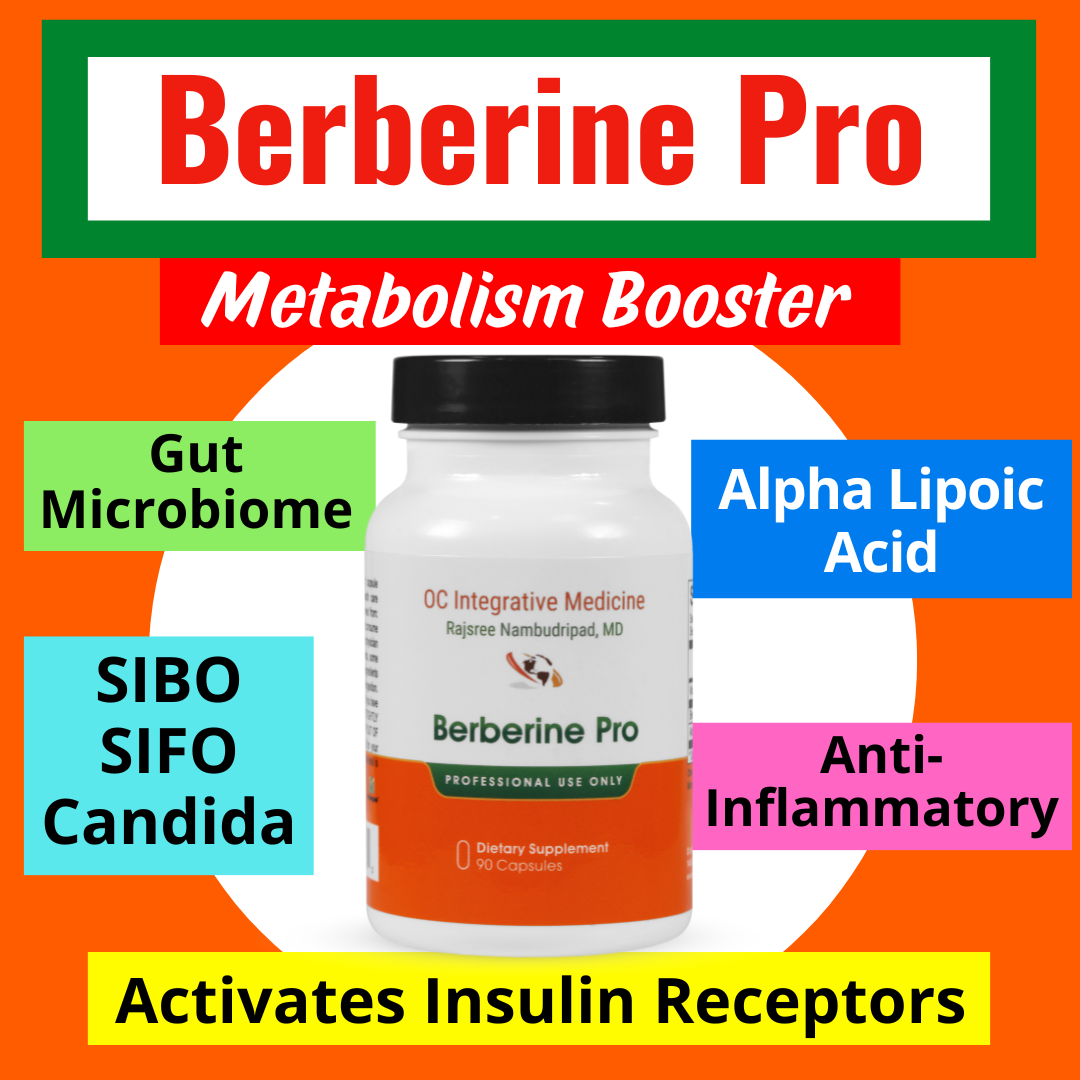
Berberine Pro
Berberine Pro, a formula backed by extensive clinical research, is designed to address several factors associated with ideal cardiometabolic and gut microbiome health. The powerful combination of berberine and alpha lipoic acid (ALA) helps maintain heart function, metabolism, antioxidant sta...
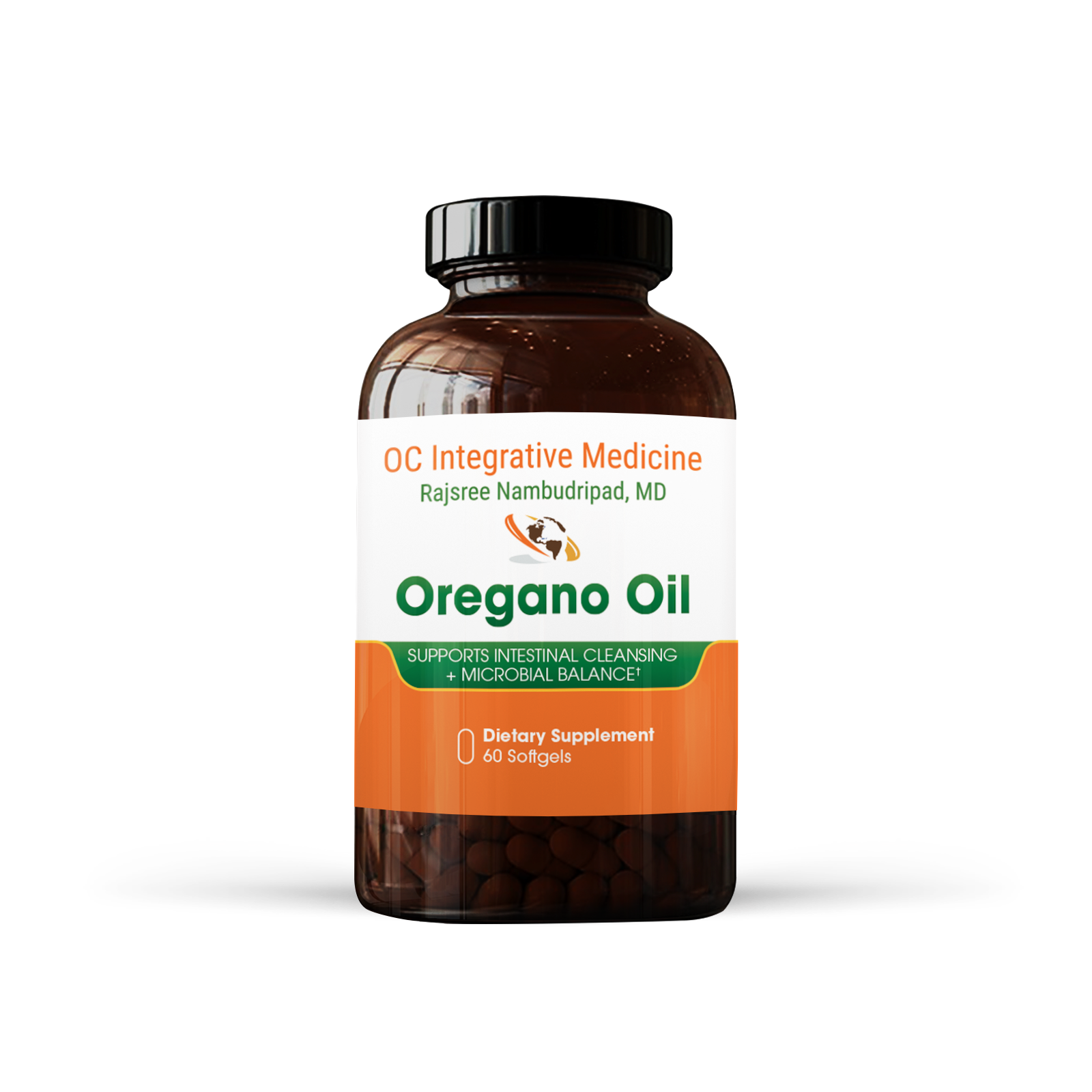
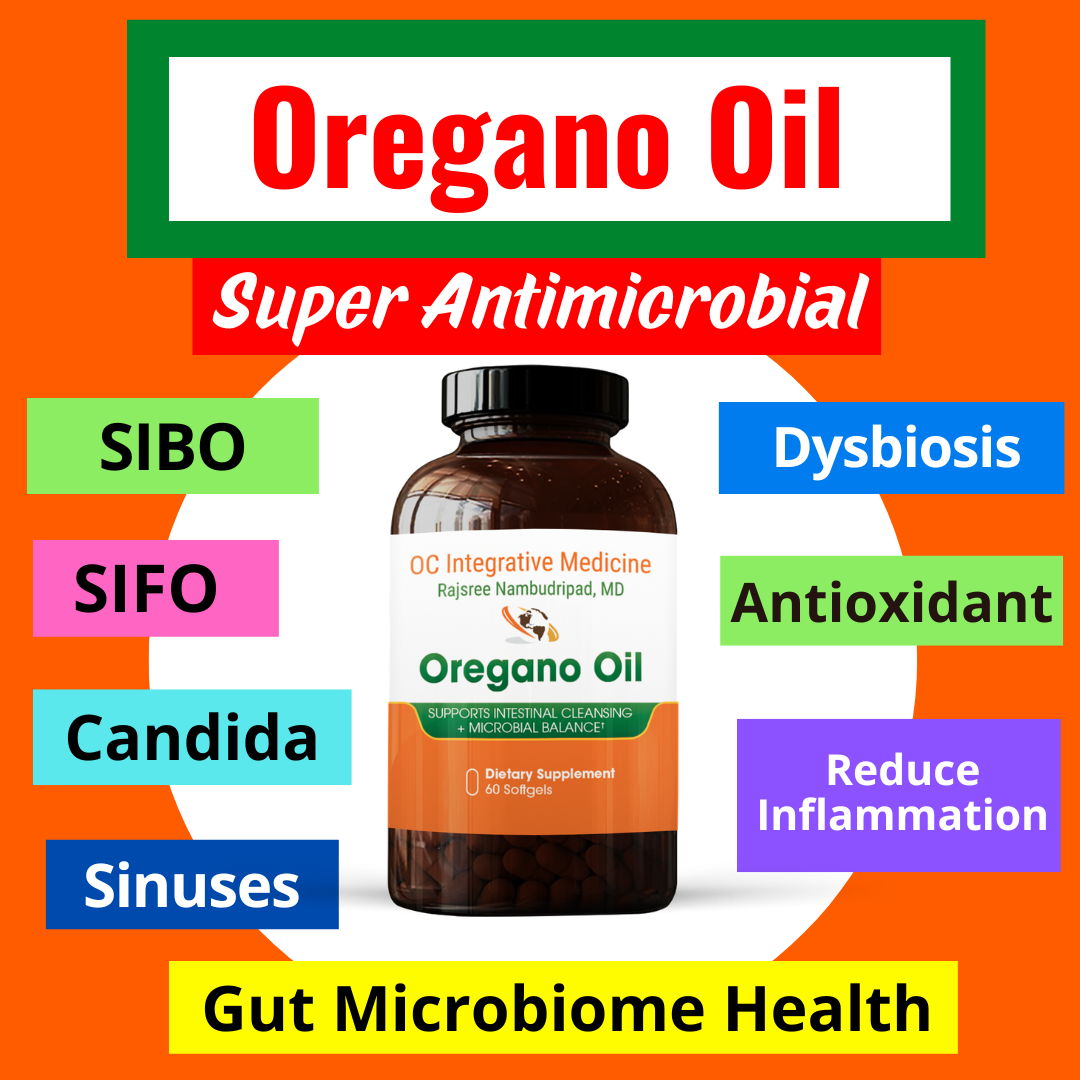
Oregano Oil
Oregano oil has potent anti-microbial properties, excellent for treating gut microbiome imbalances such as SIBO (Small Intestine Bacterial Overgrowth), SIFO (Small Intestine Fungal Overgrowth), and Dysbiosis (bacterial imbalance). Oregano oil may also help the immune system against viruses, bacte...
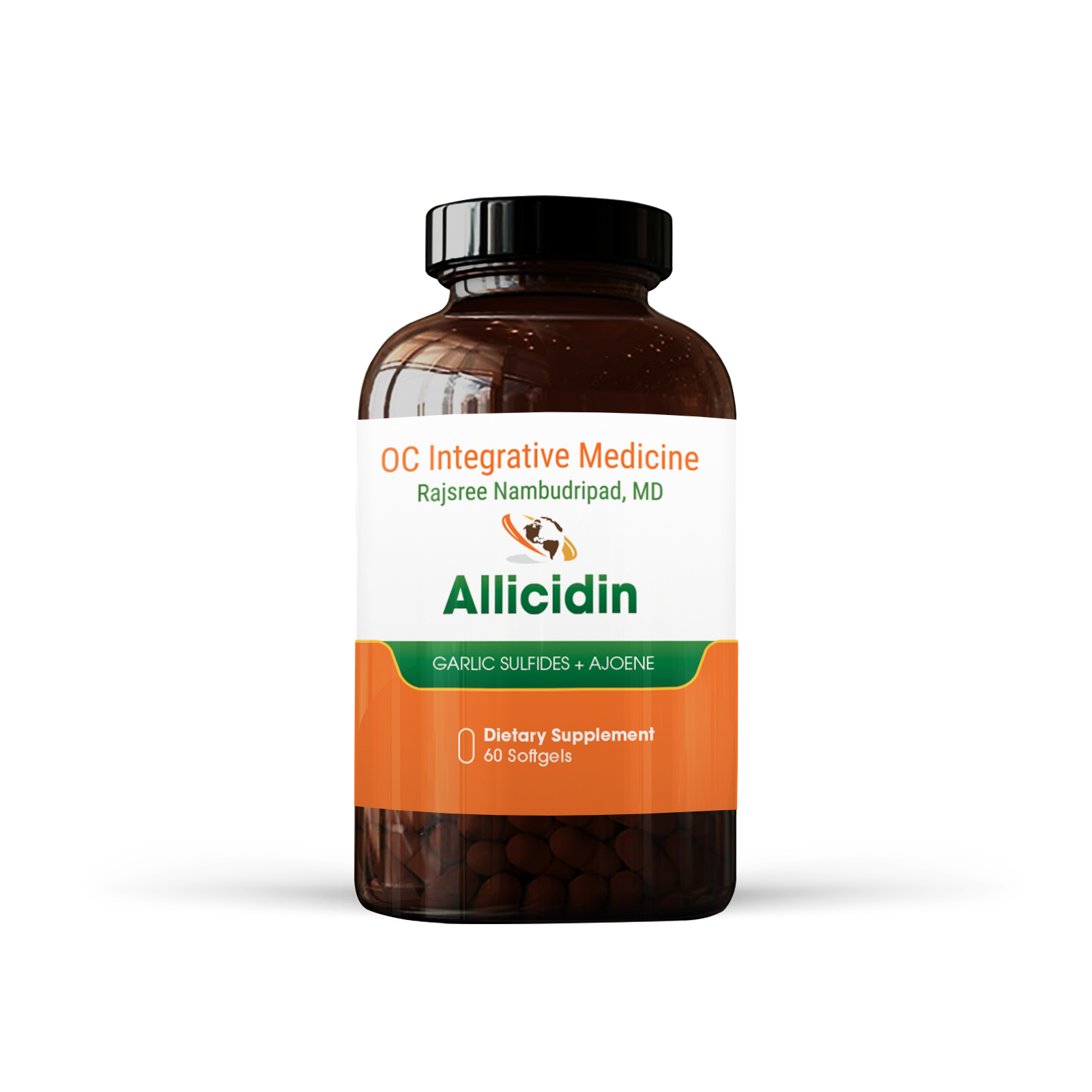
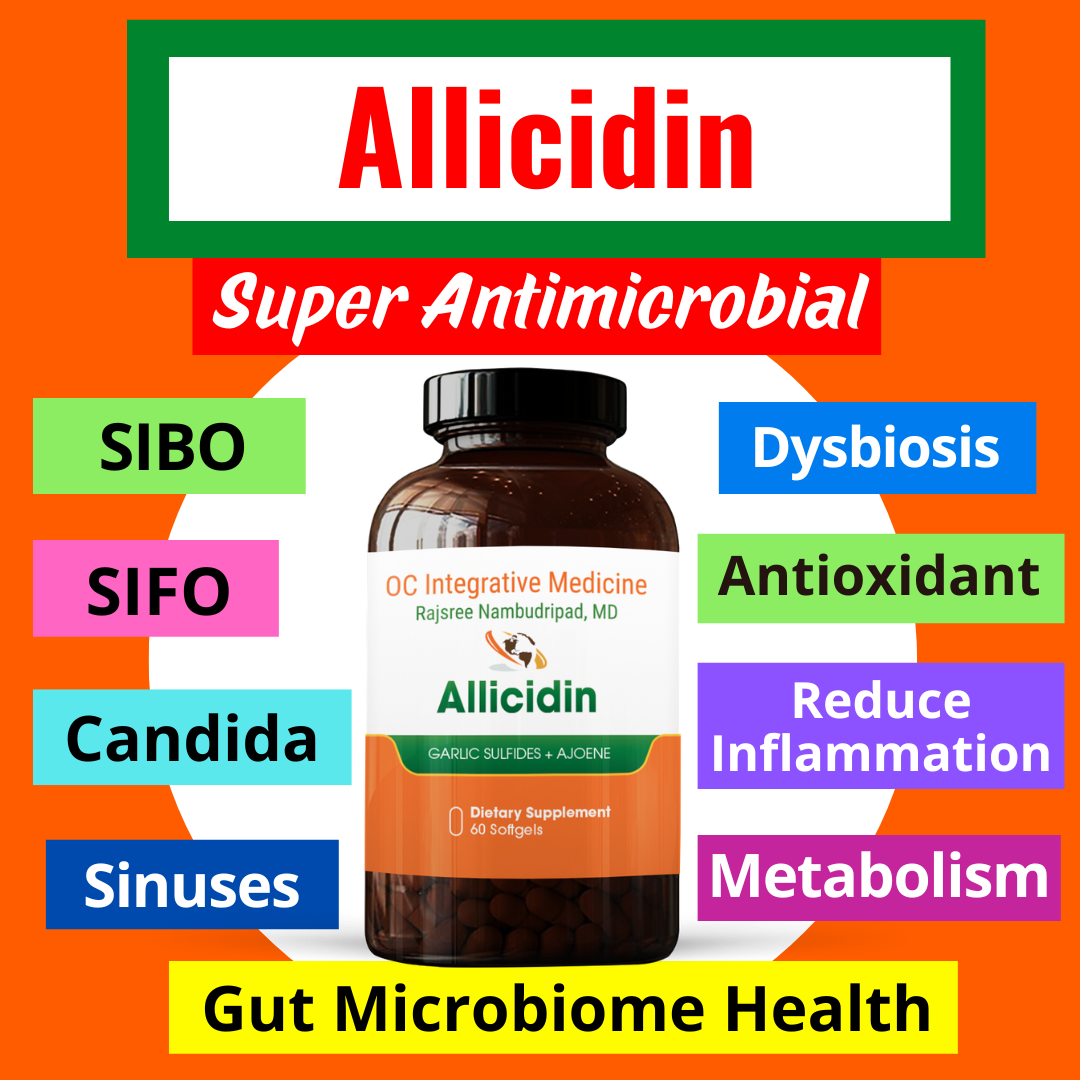
Allicidin
Allicidin is made from garlic oil and has several key bioactive compounds from garlic including allicin, diallyl sulfide, and ajoene. It is used to treat Dysbiosis (gut microbiome disturbances), SIBO (Small Intestine Bacterial Overgrowth), SIFO (Small Intestine Fungal Overgrowth), and Candida (ye...
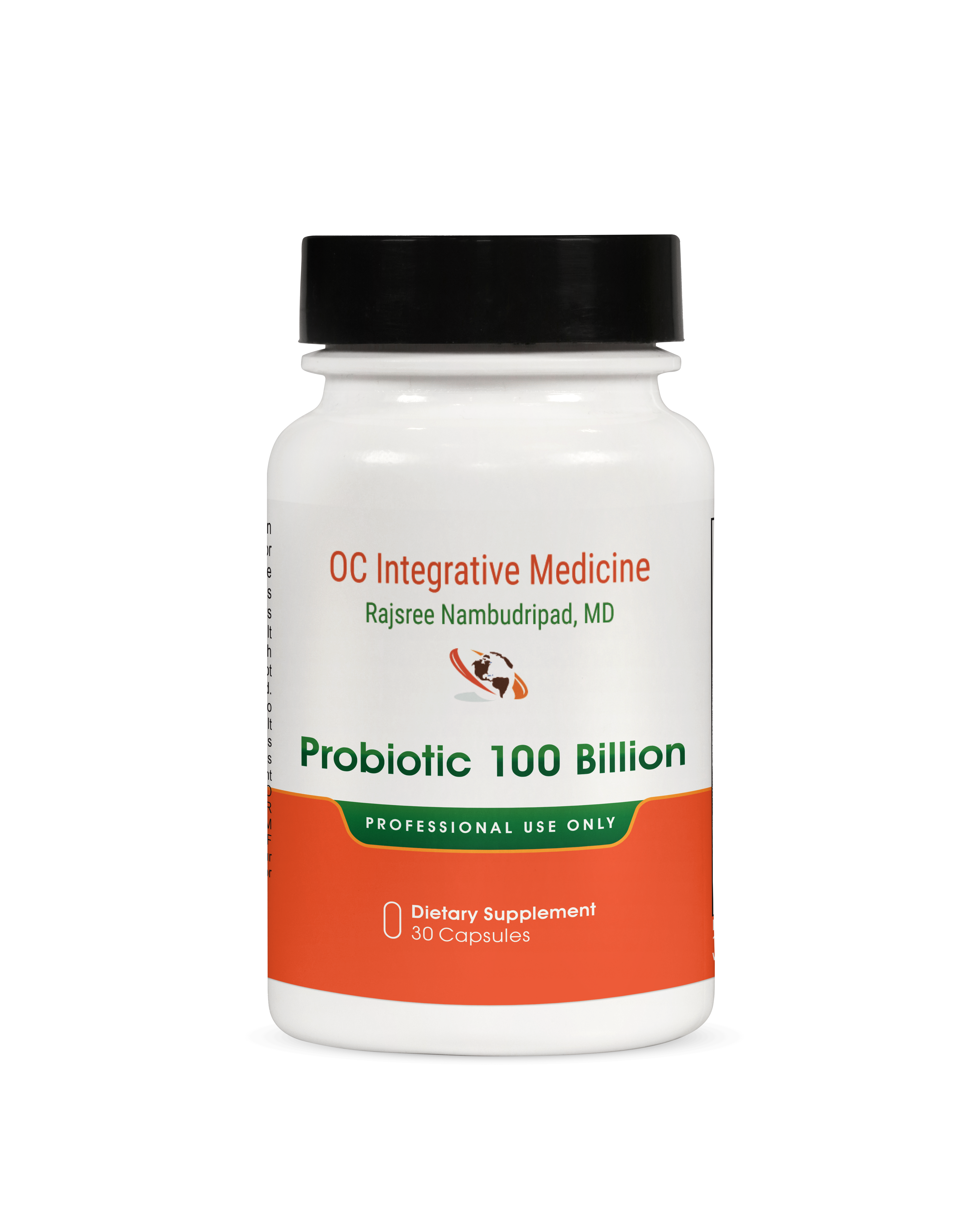
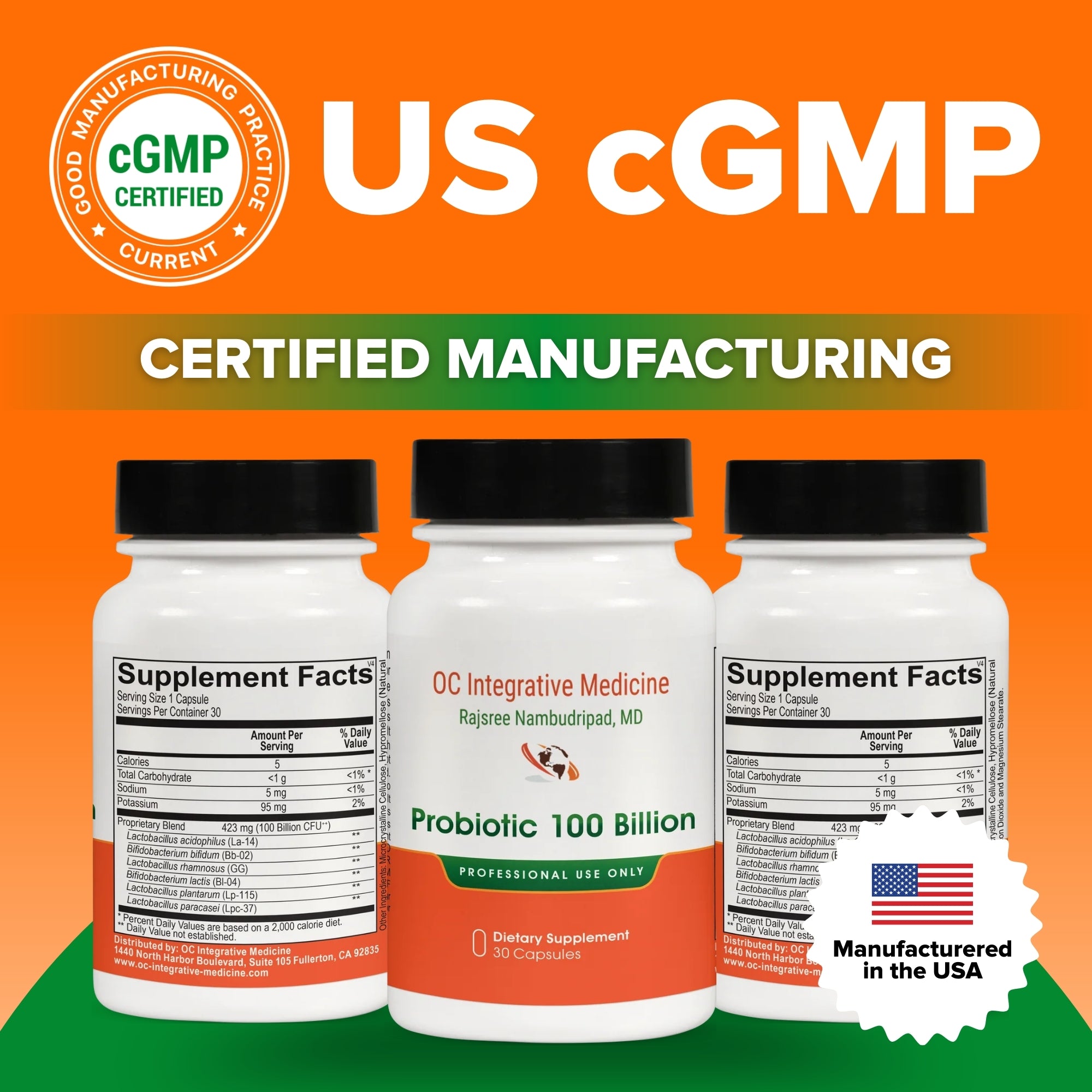
Probiotic 100 Billion
Probiotic 100 Billion is a high-dose probiotic delivering 100 billion active cultures for cases of gastrointestinal (GI) and immune distress. Going beyond the threshold of traditional probiotic support, high-dose probiotics influence GI health and immunity in ways lower-dose probiotics cannot. Sh...
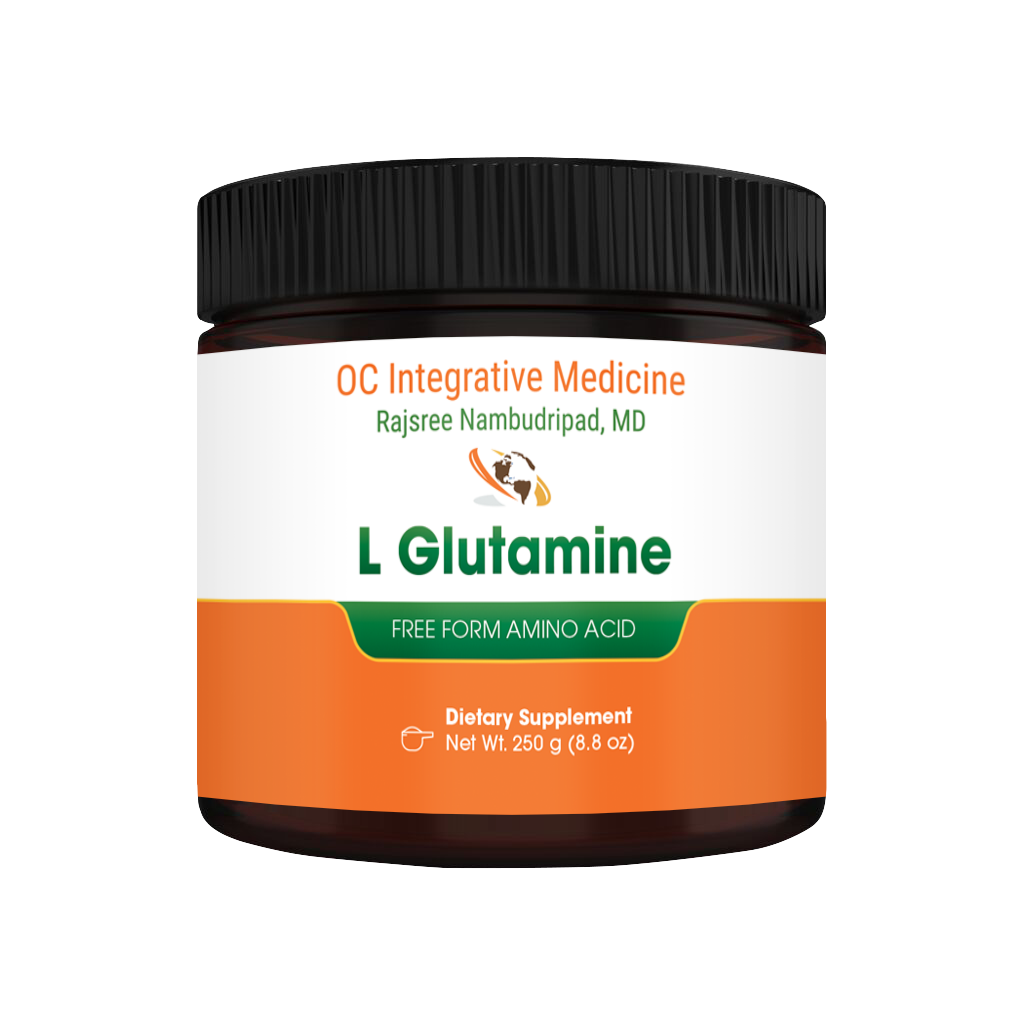
L Glutamine
$49.00 $54.00
L Glutamine
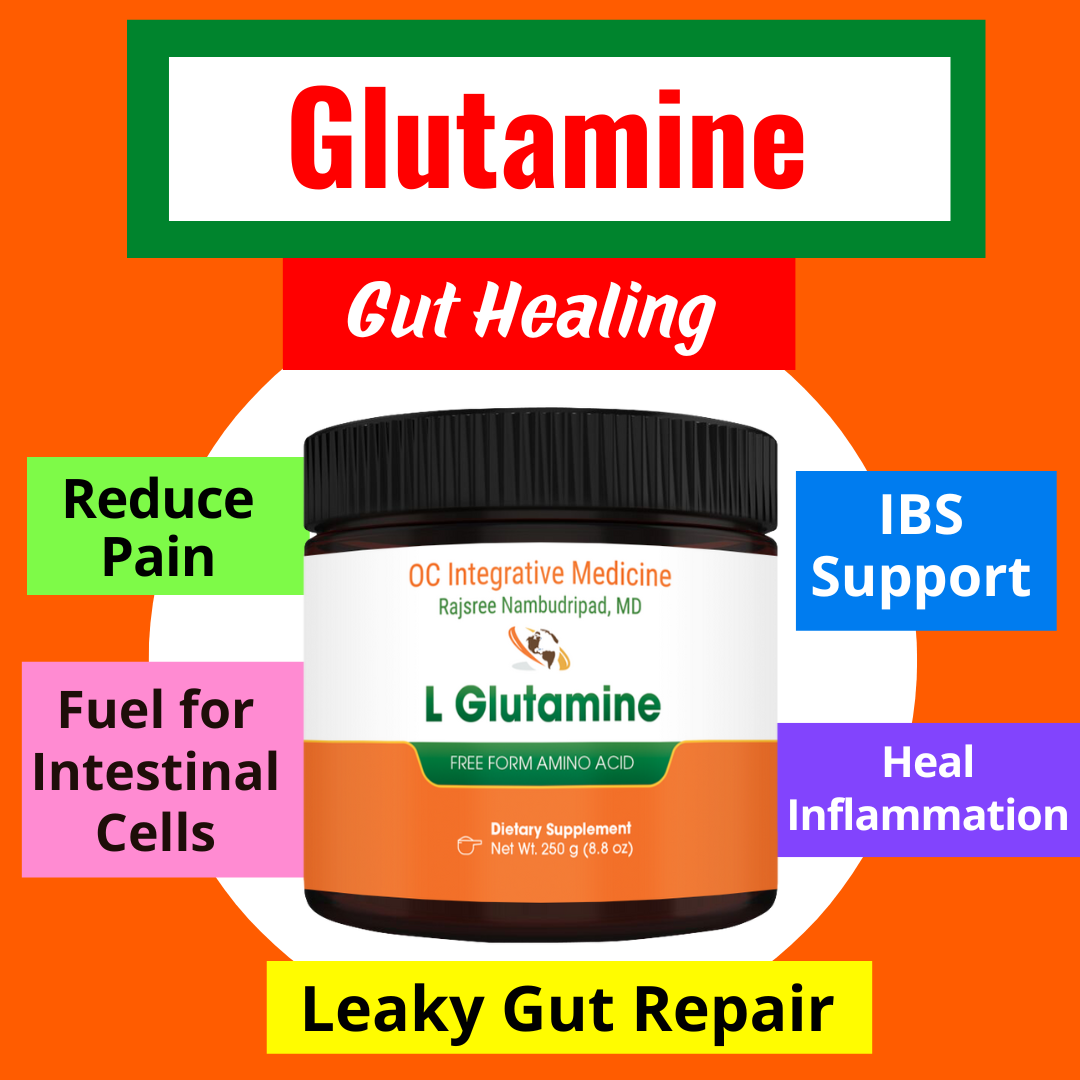
Is your gut inflamed? Do you suffer from Leaky Gut, abdominal pain or IBS? Gut inflammation can be a trigger for systemic inflammation as well as autoimmune disease, so it's really important to heal your gut! L Glutamine is an amino acid that helps to heal the enterocytes (cells that line your...
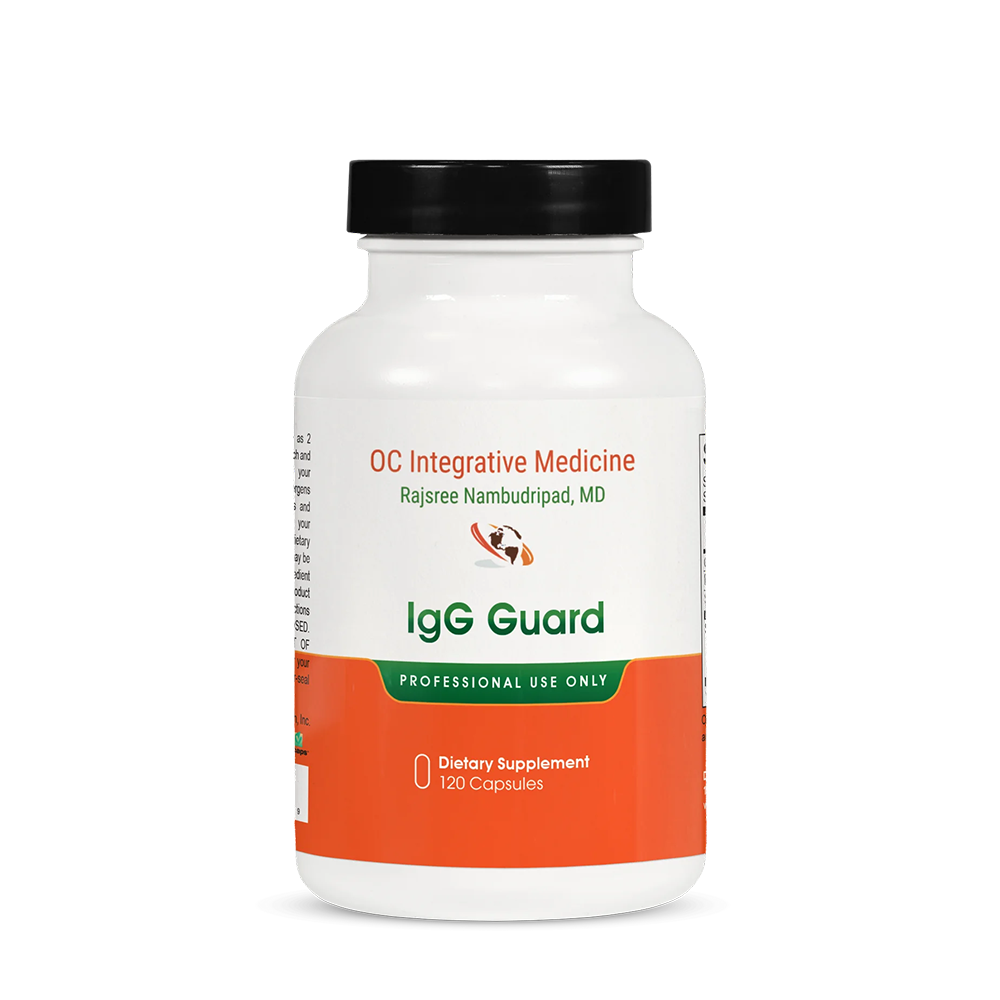

IgG Guard
IgG Guard is purified, dairy-free source of immunoglobulins (IgG) that provides the highest IgG concentration available for GI and immune challenges. Pure IgG helps to maintain a healthy intestinal immune system by binding a broad range of microbes and toxins within the gut lumen. IgG Guard rapid...
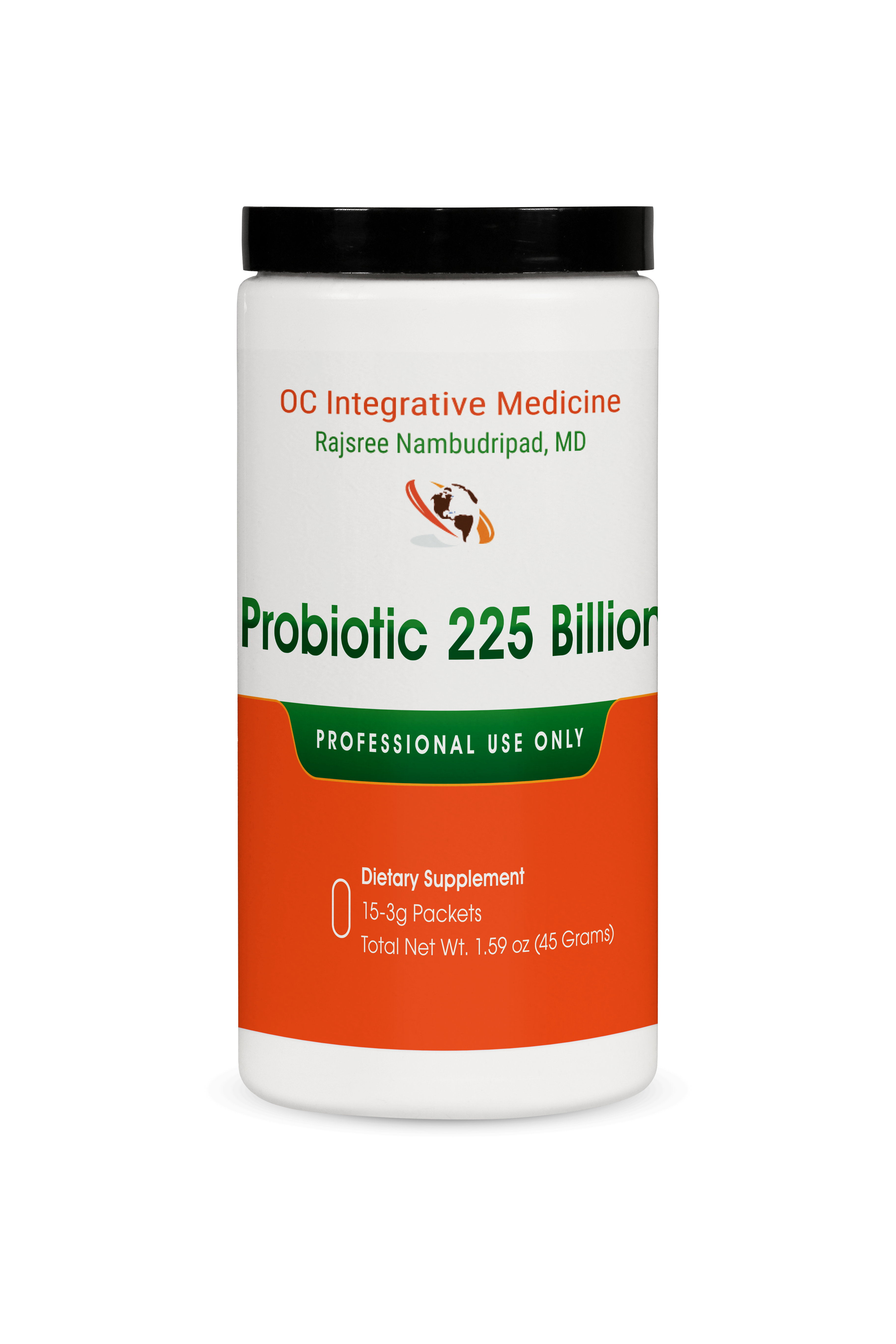

Probiotic 225 Billion
Probiotic 225 Billion is a maximum-strength probiotic for cases of acute gastrointestinal (GI) and immune challenges. Going beyond the threshold of traditional probiotic support, high-dose probiotics influence gut health and immunity in ways lower-dose probiotics cannot. Shown to activate over 1,...
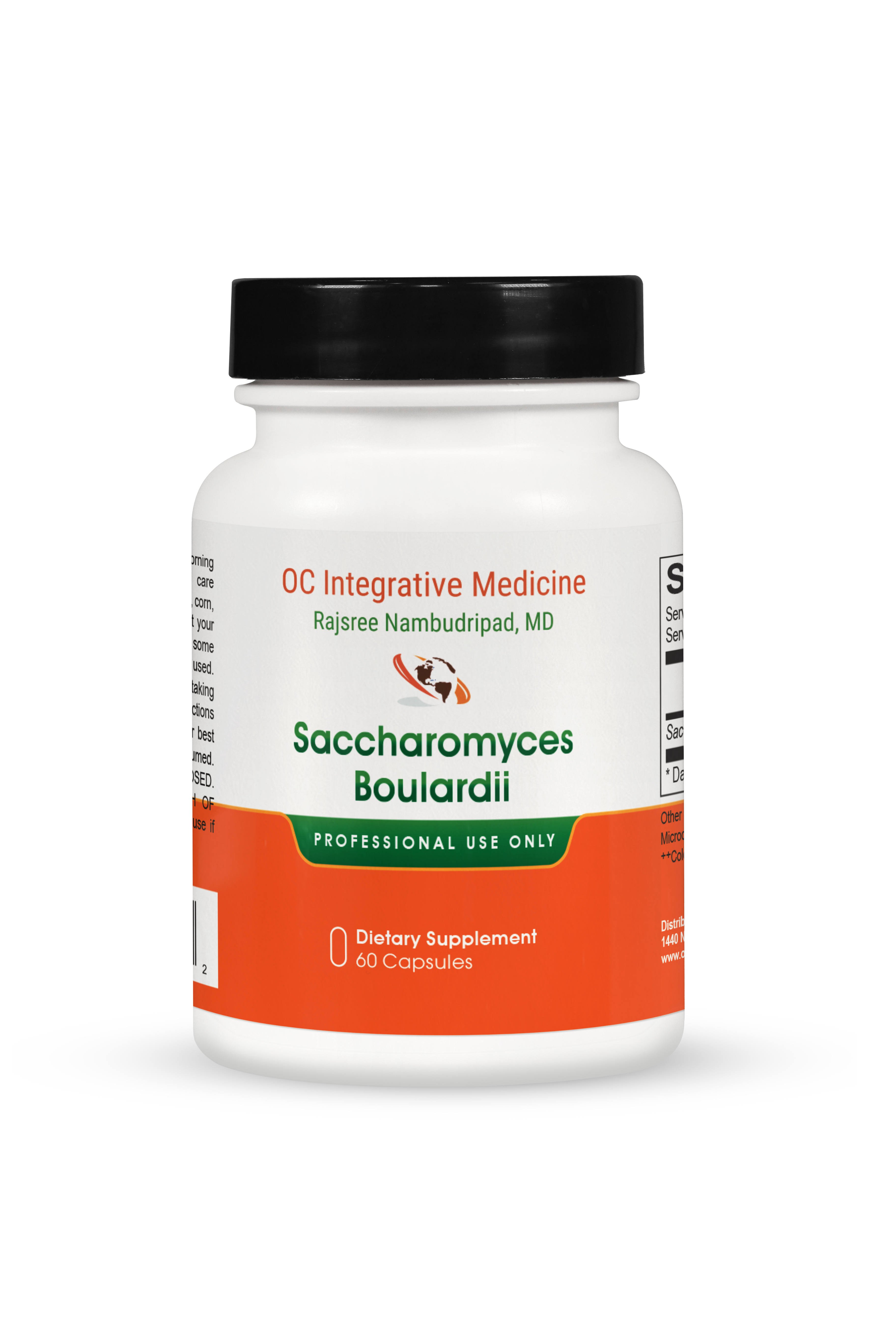

Saccharomyces boulardii (The Probiotic Yeast)
Saccharomyces boulardii is a health-promoting, probiotic yeast, that helps prevent an overabundance of other bad yeast and fungi in the gut, like Candida albicans. S. boulardii is also helpful in management of IBS symptoms, treating acute diarrhea, preventing and treating parasite infections, pr...
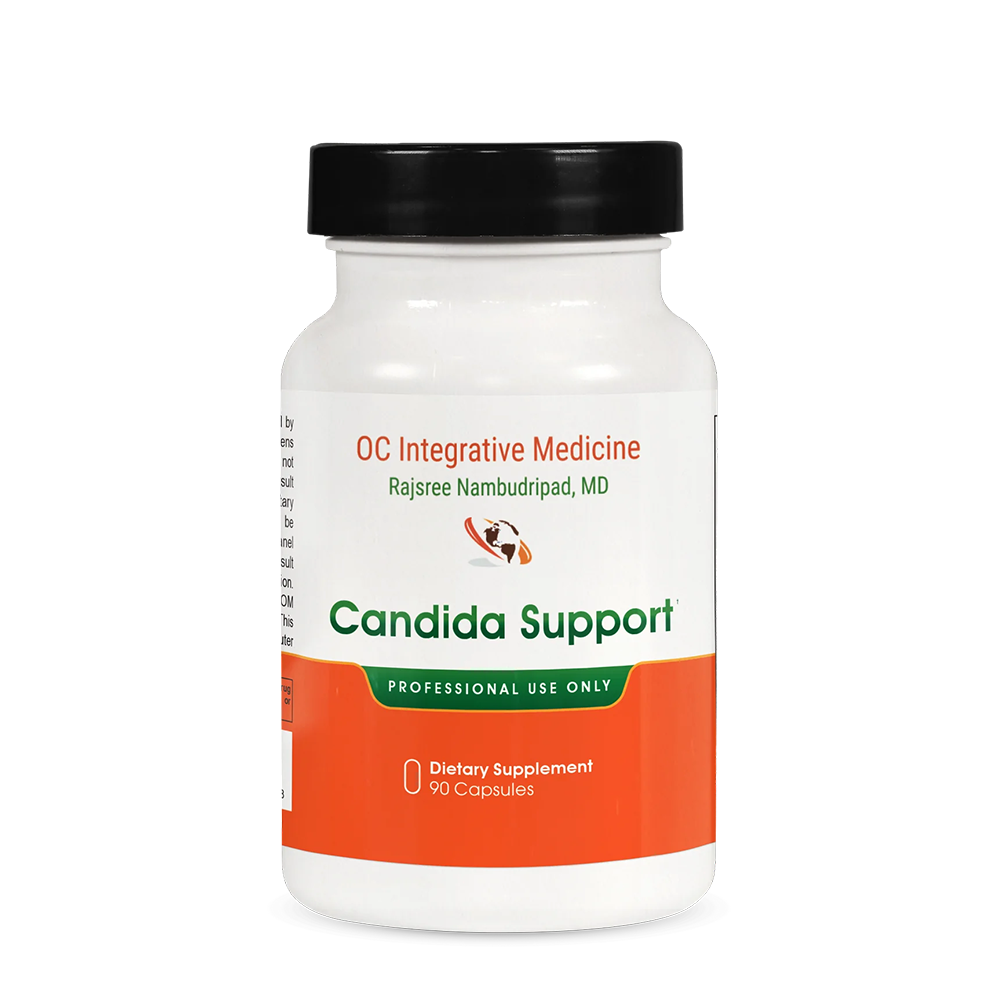

Candida Support
$42.00 $46.00
Candida Support
Candida Support is an antimicrobial blend of herbs with anti-fungal properties. It contains Berberine, Oregano, Sodium Caprylate, and Pau D'Arco, Ginger, and Cinnamon that inhibit the growth of Candida (yeast) in the body. For example, it may be helpful for women who get recurrent vaginal yeast ...
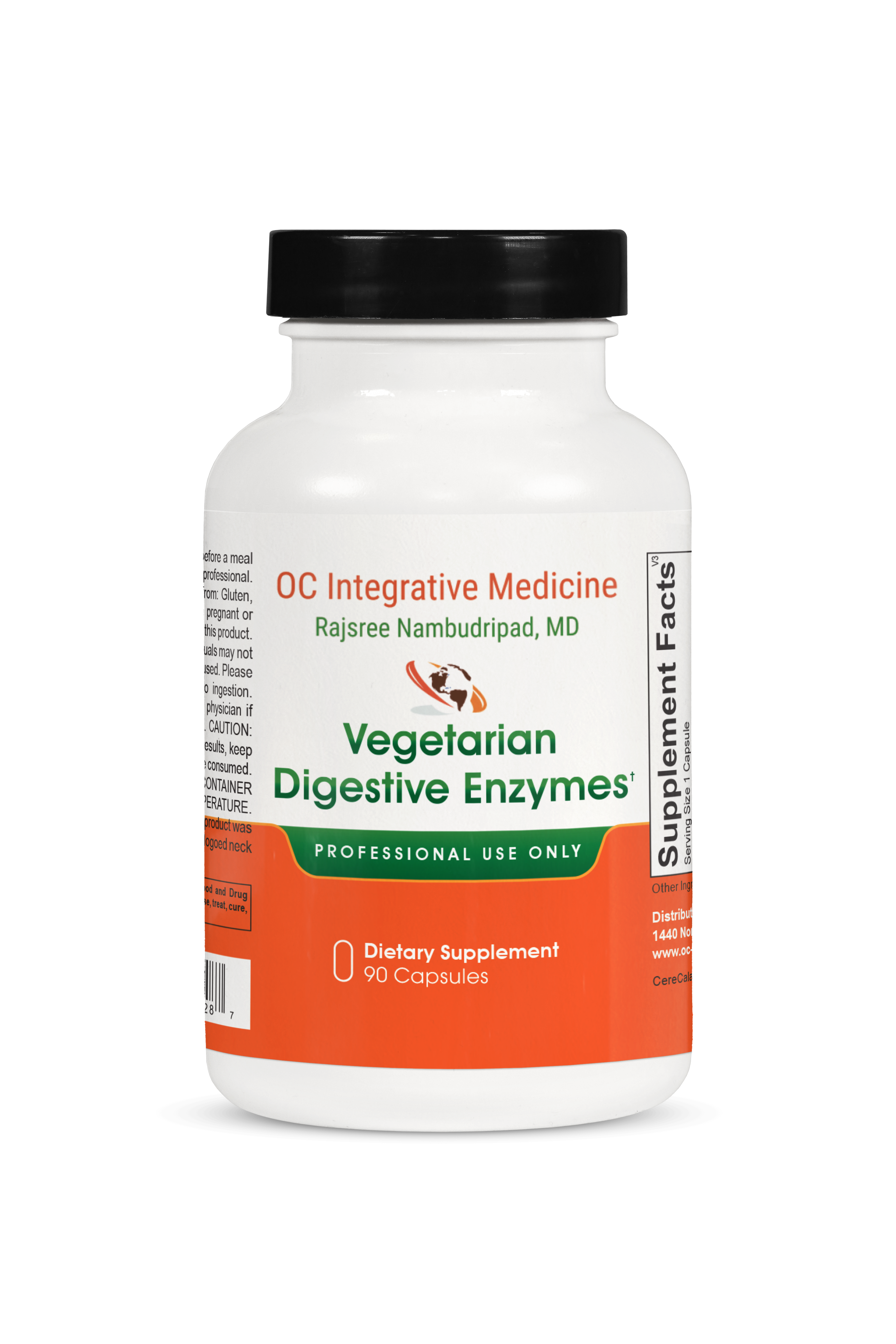

Vegetarian Digestive Enzymes
$43.00 $48.00
Vegetarian Digestive Enzymes
Vegetarian Digestive Enzymes help you better digest proteins, fats, and carbohydrates. It contains a wide spectrum of enzymes including amylase, protease, bromelain (from pineapple), papain (from papaya), lactase and lipase to help in digestion of foods. Vegetarian digestive enzymes can help redu...

Gift Card
🎁 Give the Gift of Wellness Looking for a meaningful gift that truly makes a difference? A Supplements by Dr. Rajsree Gift Card is the perfect way to share the gift of health with someone you love. From gut health and hormones to energy, immunity, and overall vitality — your loved one can choos...
FAQ
Dysbiosis refers to an imbalance in the gut microbiome, where harmful bacteria or yeast outnumber beneficial microbes. Common symptoms include bloating, gas, abdominal discomfort, constipation or diarrhea, fatigue, brain fog, and food sensitivities. Some people also notice bad breath, changes in body odor, foul-smelling gas, or symptoms that worsen after antibiotics, illness, or periods of stress. If you’ve had frequent antibiotic use, a highly processed diet, or chronic digestive symptoms, dysbiosis is more likely.
Dysbiosis is a broad term that describes an overall imbalance in gut microbes. SIBO (Small Intestine Bacterial Overgrowth) and Candida or SIFO (Small Intestine Fungal Overgrowth) are more specific patterns of dysbiosis. These conditions frequently overlap, and many people have features of more than one. This protocol is designed to restore balance across these patterns rather than treating them in isolation.
Many patients notice improvement within 2–4 weeks, especially in bowel regularity, stool consistency, and bloating. Full treatment typically lasts about eight weeks, allowing time to rebalance the microbiome and support gut healing. Some individuals with long-standing symptoms may need additional time and ongoing support for deeper healing.
Testing is optional. While comprehensive stool microbiome testing can help confirm dysbiosis and identify specific patterns, many people begin this protocol based on clear symptoms and clinical history alone. The protocol is designed to be safe and evidence based for those with suspected dysbiosis.
If you are taking prescription medications, please review them with your physician or pharmacist before starting treatment, as ingredients such as berberine may interact with certain medications, including blood thinners.
Diet plays a powerful role in shaping the gut microbiome. During treatment, the goal is to reduce foods that promote harmful microbial growth while nourishing beneficial bacteria. Avoid alcohol, refined sugar, processed foods, restaurant oils (seed oils), conventionally raised dairy products, and non-organic meats. Focus instead on whole, minimally processed foods and a wide variety of colorful vegetables and fruits to support a diverse and resilient “gut garden.” Please download the full protocol above for more details.
Meal spacing—waiting about 4–5 hours between meals and allowing 12 hours overnight is an important part of gut healing. This supports the gut’s natural “cleaning waves,” which help clear bacteria and yeast from the small intestine between meals. Frequent snacking can interrupt this process, increase fermentation, and worsen bloating, gas, and discomfort.
Yes. Probiotics are a core part of restoring microbial balance. High-potency broad spectrum probiotics like Probiotic 100 or 225 Billion help repopulate beneficial bacteria, while S. boulardii helps crowd out harmful organisms and support gut barrier function. Taking probiotics during treatment helps stabilize the microbiome as overgrowth is reduced. Please download the full protocol above for more details.
Not necessarily. The core components of the protocol include diet changes, probiotics, and targeted herbal antimicrobials. Digestive enzymes, motility support, and inflammation-targeting supplements are strongly recommended for optimal results, especially if you experience bloating, constipation, or a history of digestive dysfunction. The full protocol guide explains how to personalize your approach.
Some people may experience temporary side effects during dysbiosis treatment as the gut microbiome shifts and harmful microbes are reduced. These can include increased bloating, gas, changes in bowel habits, mild fatigue, headaches, or flu-like symptoms. These reactions are often short-lived and may be related to microbial die-off.
Sometimes loose stools can occur when starting herbal antimicrobials. Introducing the herbal antimicrobials one at a time and gradually increasing the dose can help reduce the likelihood of this happening. If loose stools persist, you may need to reduce the dose (for example, from twice daily to once daily) or pause the herbs temporarily and consult your physician.
Some individuals may notice garlic-like breath or changes in body odor when taking Allicidin, as it is a concentrated garlic extract. If this occurs, you may reduce the dose, or omit Allicidin altogether and continue with Berberine Pro and Oregano Oil instead.
Supporting hydration, regular bowel movements, adequate rest, and proper meal spacing can help minimize discomfort. If symptoms worsen significantly or you experience persistent fever, severe abdominal pain, rash, or other concerning symptoms, pause the protocol and seek medical advice.
Herbal antimicrobials are effective tools for reducing bacterial and yeast overgrowth, but they are not appropriate during pregnancy or breastfeeding. If you are pregnant, breastfeeding, or trying to conceive, do not take herbal antimicrobials and consult your healthcare provider for alternative support. Certain medications may interact with berberine, so please consult your physician or pharmacist.
The herbal antimicrobials are designed for time-limited use, typically up to eight weeks, and are not intended for continuous long-term use. In more stubborn cases of dysbiosis, treatment may be extended up to three months, followed by a short break before resuming if needed.
Other supplements, such as probiotics, Digestive Enzyme Pro, and Essential Magnesium, and Motility Activator can often be continued long-term to support digestion, motility, and microbiome balance, and to help prevent relapse.
After completing treatment, the focus shifts to maintenance and resilience. A helpful strategy is to alternate Probiotic 20 Billion with S. Boulardii and Probiotic 20 Billion with L. Reuterii. These probiotics contain complementary strains that help support microbial diversity, immune signaling, and long-term gut balance.
Fatigue can sometimes occur as the gut microbiome shifts and heals. A Methyl B Complex can help support energy production and mood during treatment. Proper hydration, consistent meal spacing, and adequate rest also support your body’s healing process.
If symptoms worsen significantly or you experience persistent fever, severe abdominal pain, new rashes, or other concerning symptoms, pause the protocol and consult your healthcare provider. Treatment should always be adjusted based on how your body responds.
After completing the protocol, maintaining balance is key. Continue to avoid refined sugar, alcohol, processed foods, and seed oils. Support your microbiome with a diverse, plantforward diet, regular bowel movements, and ongoing probiotic support.
Antibiotics should be used only when necessary. If antibiotics are needed, be sure to take probiotics alongside them to help protect your microbiome. Probiotic 100 Billion and S. Boulardii are good options during antibiotic use.