
Constipation
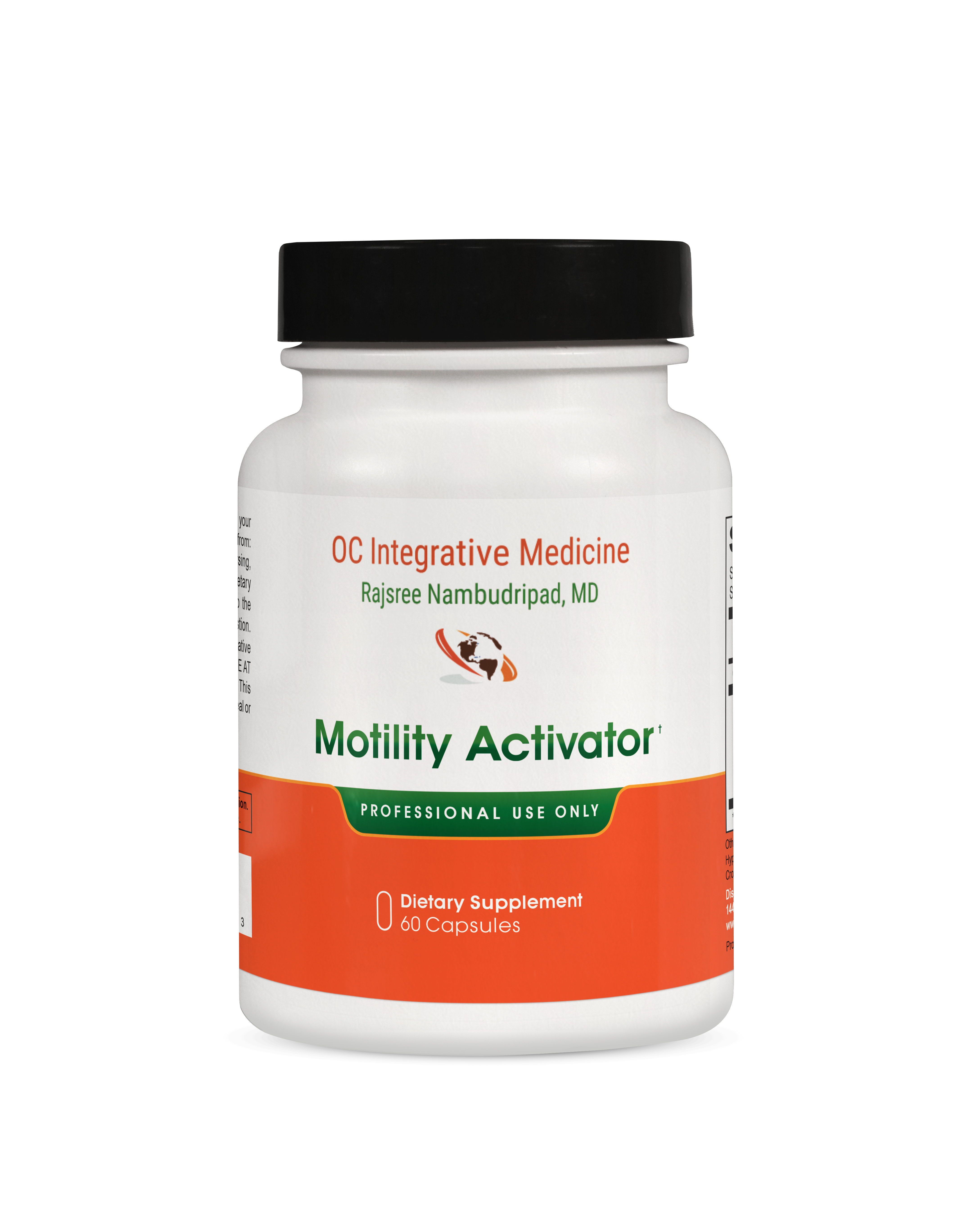
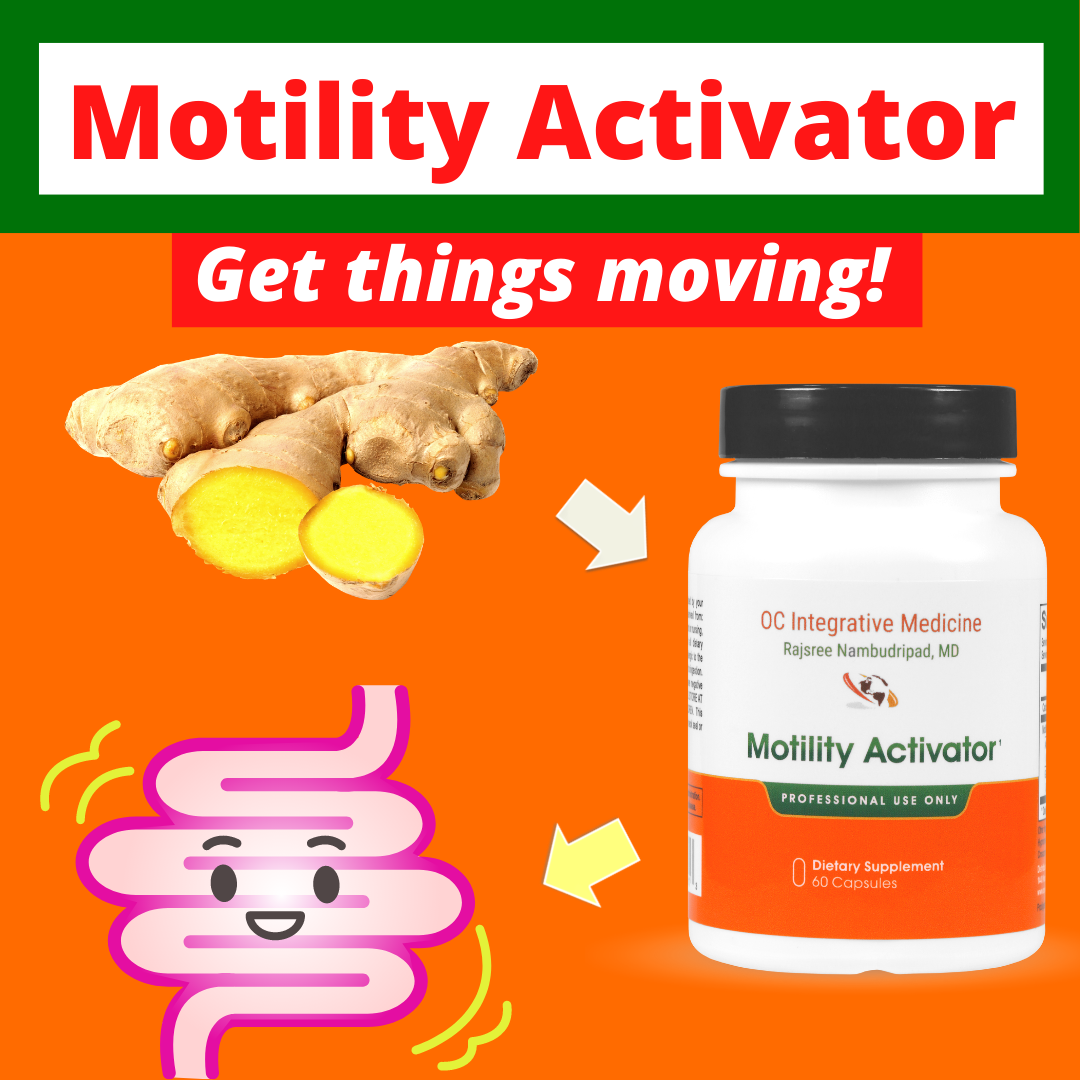
Motility Activator
Motility Activator is a combination of ginger and artichoke leaf extract delivered at a clinically proven dose to restore intestinal motility. This distinctive blend of bioactives works as a PROKINETIC and promotes contractions in the migrating motor complex (MMC), helping to restore proper m...
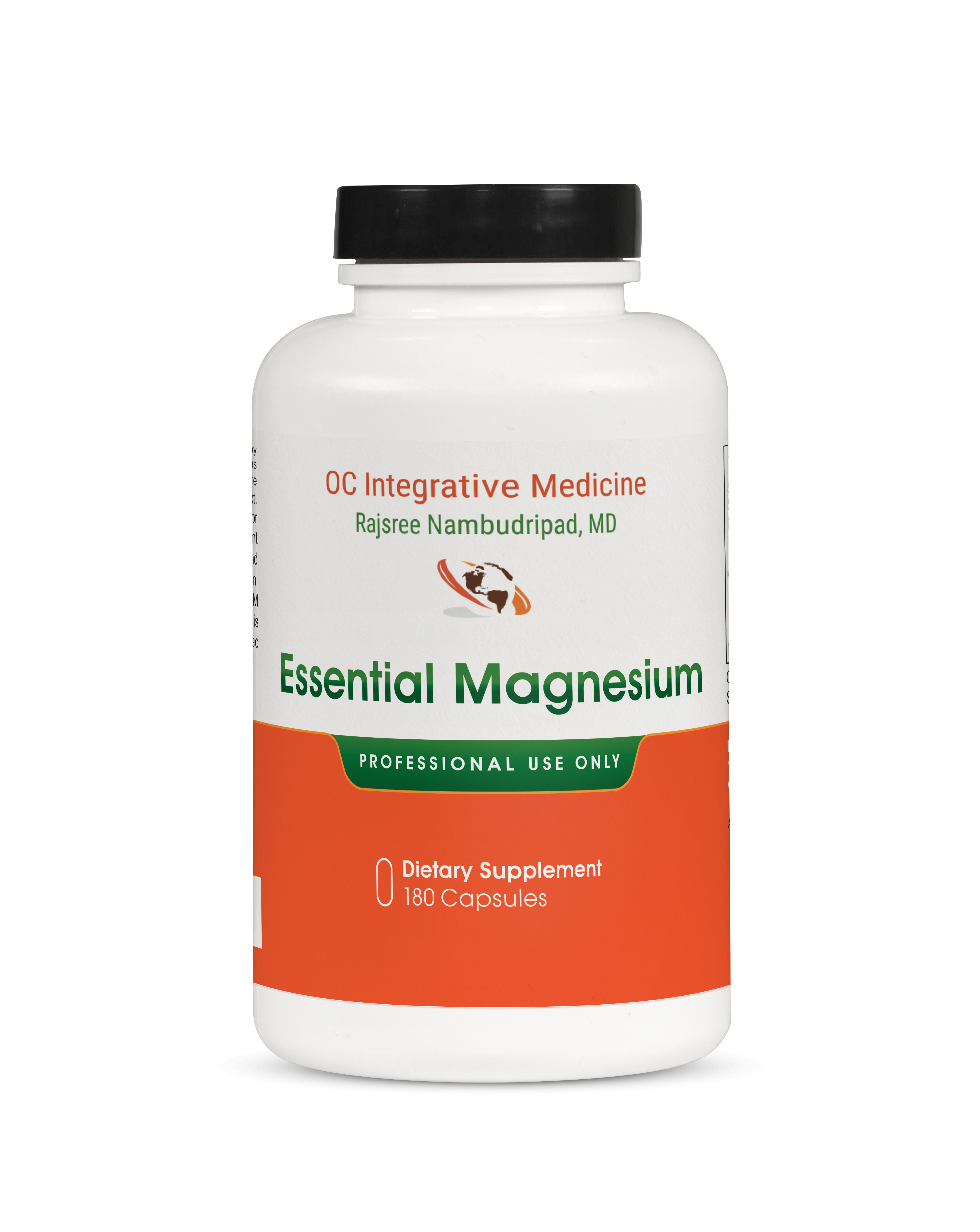

Essential Magnesium
Essential Magnesium provides three unique forms of highly absorbed magnesium to ensure maximum absorption of this important mineral. Essential Magnesium takes advantage of three unique pathways of absorption by providing magnesium as di-magnesium malate, magnesium citrate and magnesium glyci...
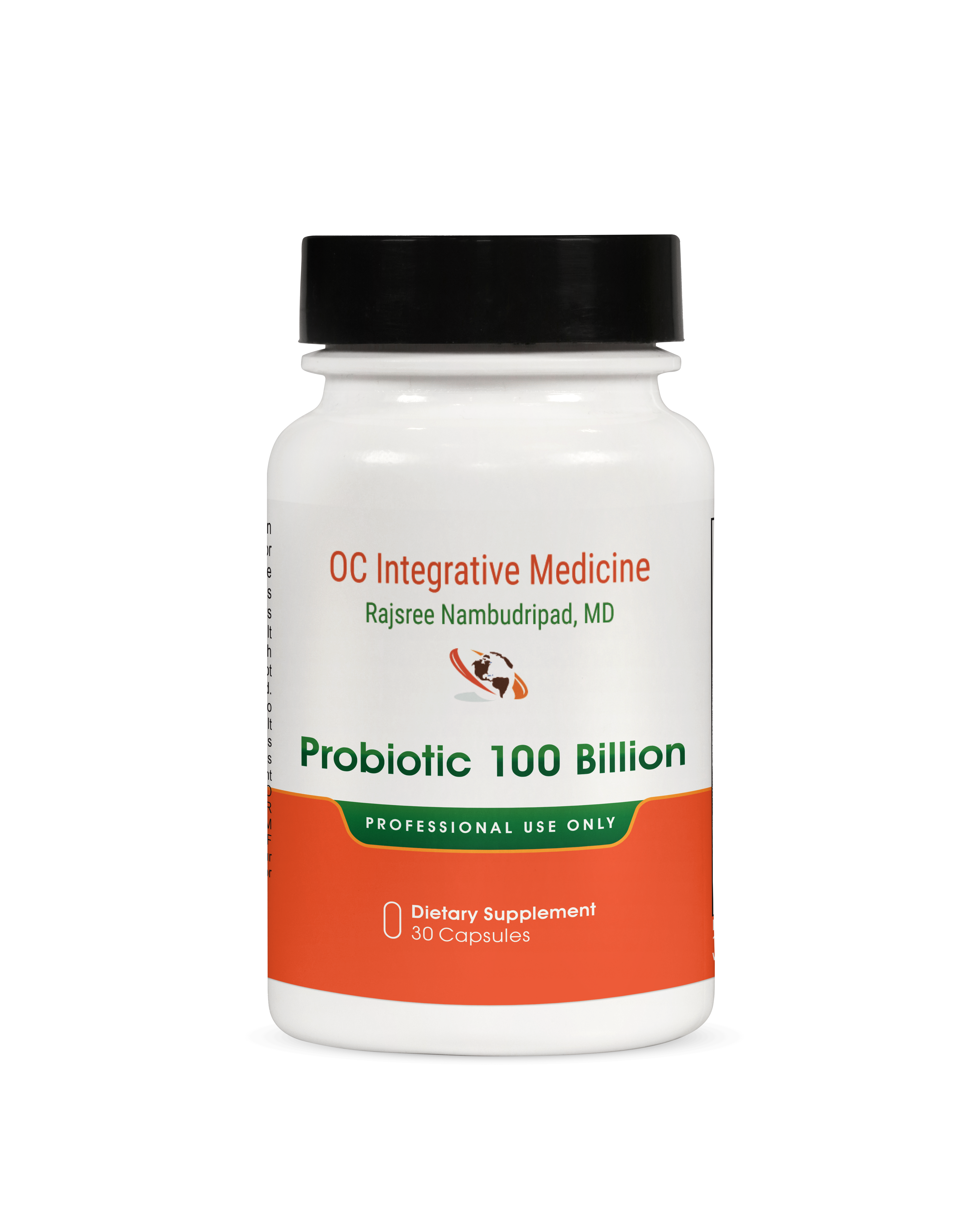
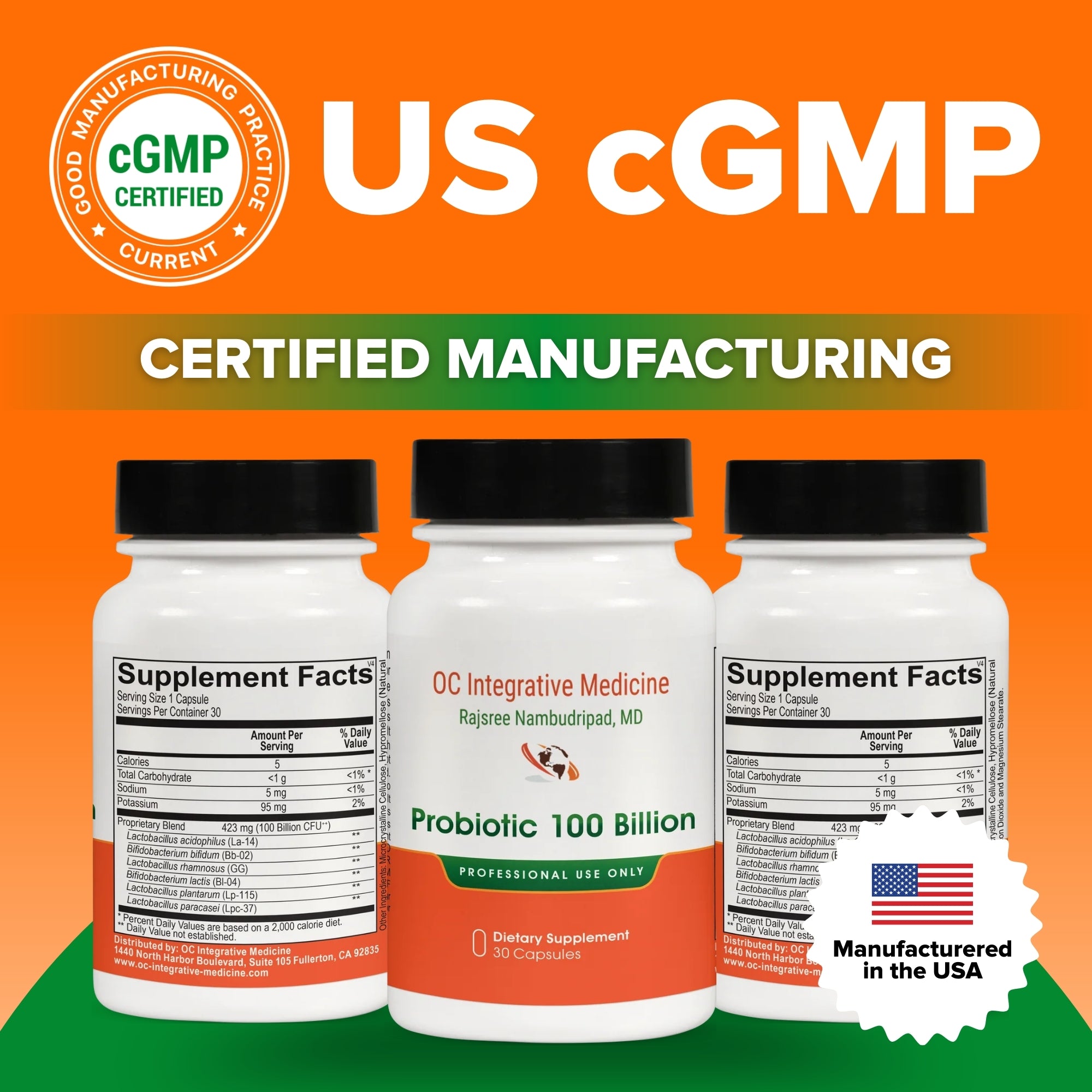
Probiotic 100 Billion
Probiotic 100 Billion is a high-dose probiotic delivering 100 billion active cultures for cases of gastrointestinal (GI) and immune distress. Going beyond the threshold of traditional probiotic support, high-dose probiotics influence GI health and immunity in ways lower-dose probiotics cannot. Sh...
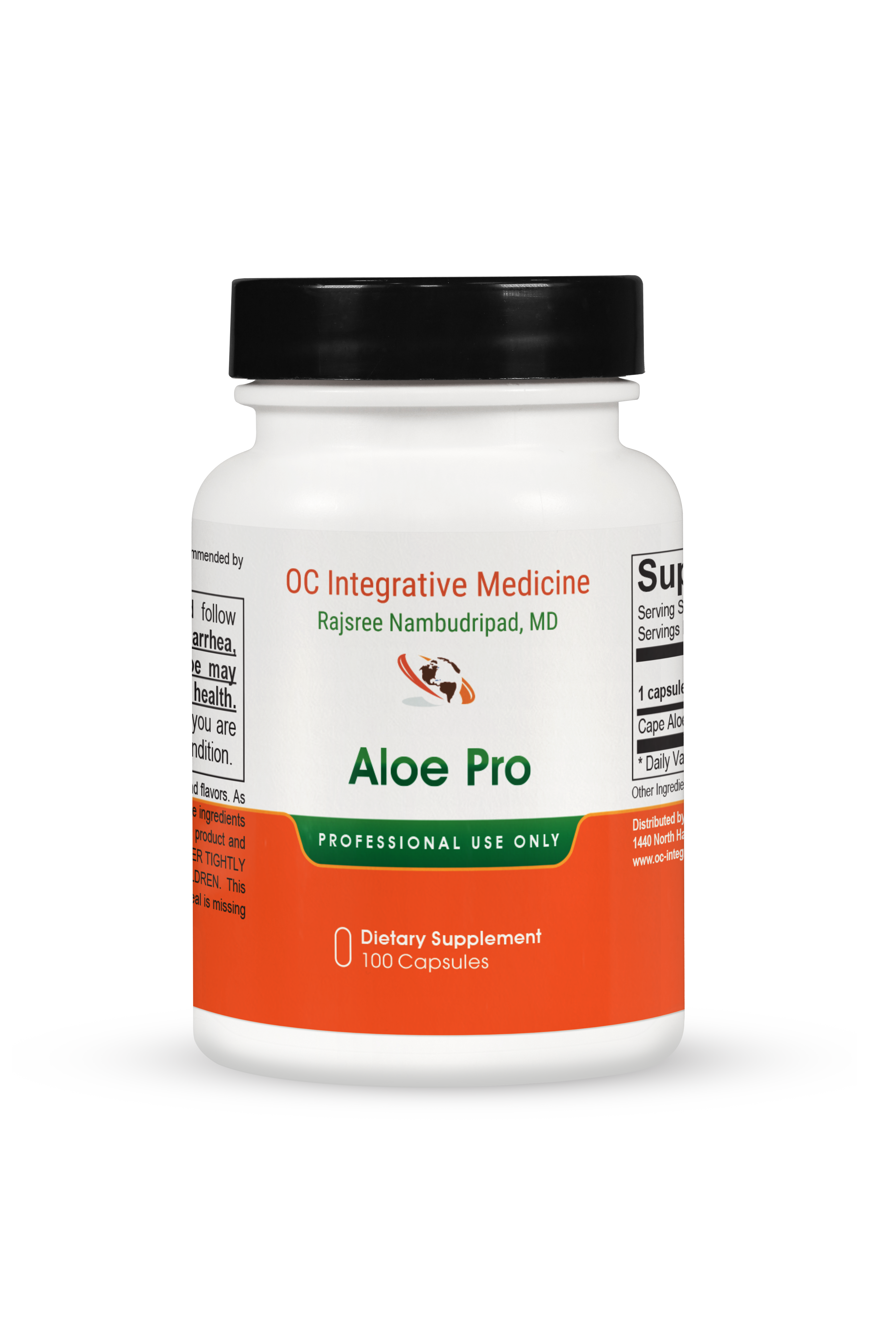

Aloe Pro
$29.00 $34.00
Aloe Pro
Aloe Pro is intended for the relief of occasional constipation. Cape aloe, the solid residue obtained by evaporating liquid aloe vera, has been shown in research to affect regularity, due to its influence on colon peristalsis, which it triggers to contract, resulting in accelerated intestinal pas...
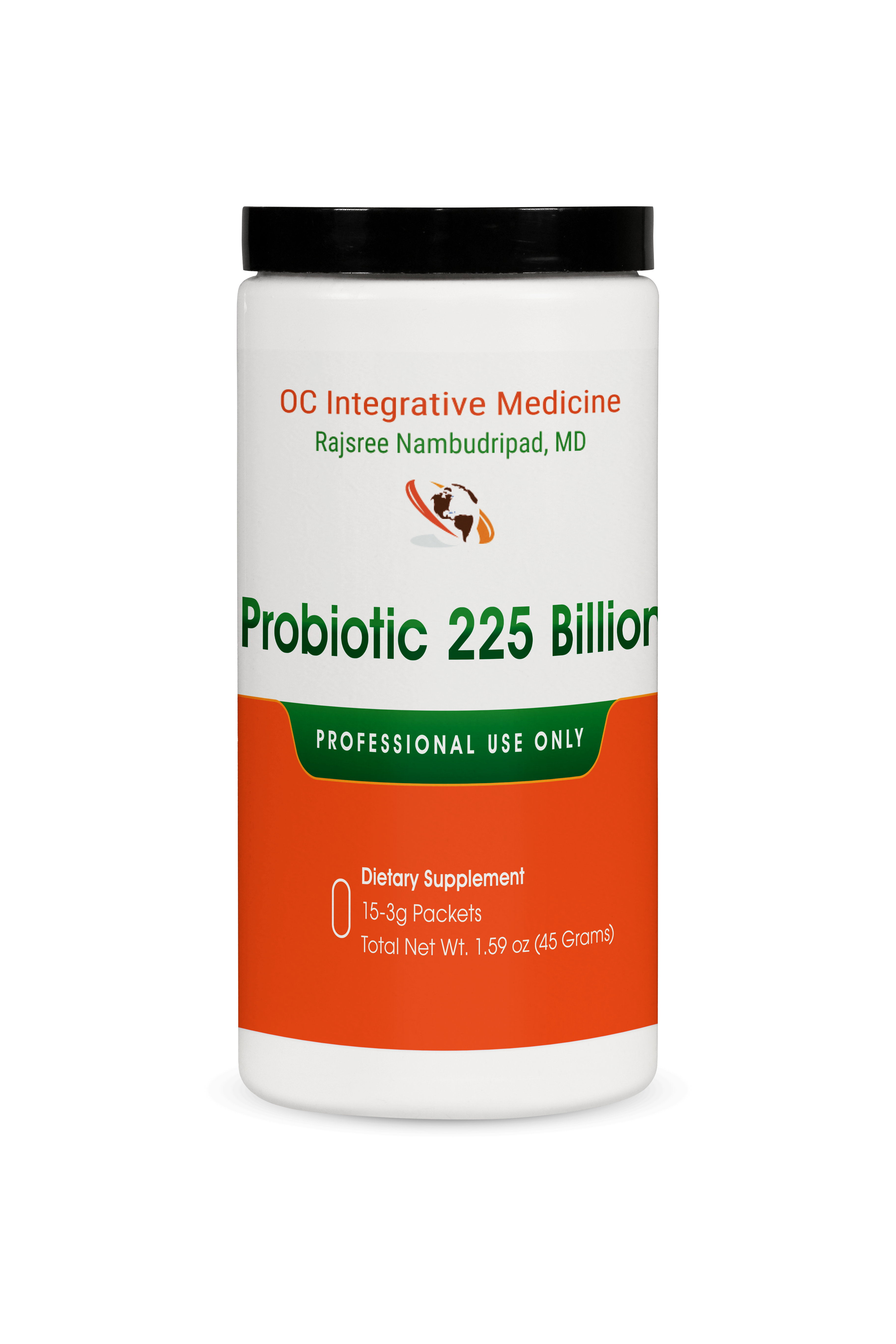

Probiotic 225 Billion
Probiotic 225 Billion is a maximum-strength probiotic for cases of acute gastrointestinal (GI) and immune challenges. Going beyond the threshold of traditional probiotic support, high-dose probiotics influence gut health and immunity in ways lower-dose probiotics cannot. Shown to activate over 1,...
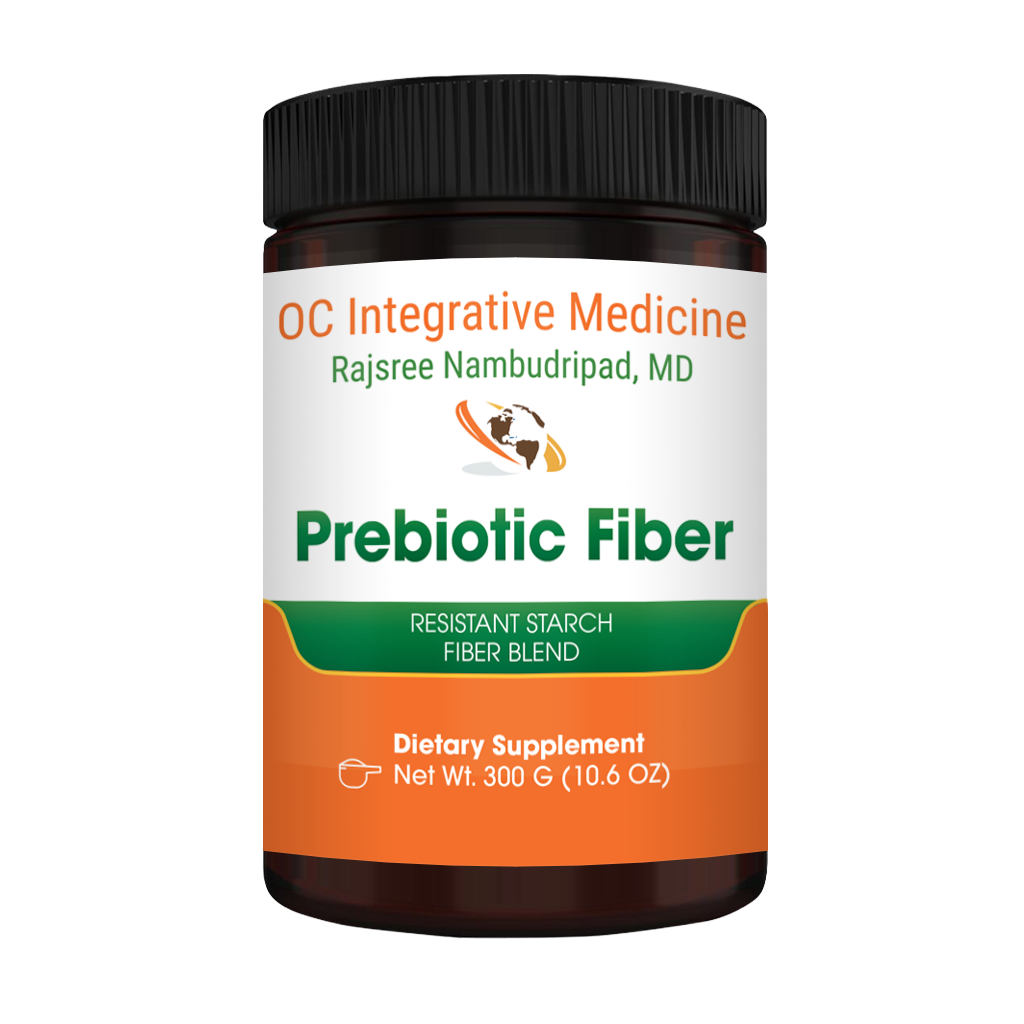

Prebiotic Fiber
$63.00 $69.00
Prebiotic Fiber
This Prebiotic Fiber has 2 unique forms of resistant starch: organic green banana flour and organic potato starch powder. Resistant starch prebiotic fibers cannot be broken down by your digestive tract, and thus serves as excellent fuel for the healthy bacteria in your colon. It also has the preb...
FAQ
The first place to start is Essential Magnesium. Magnesium helps draw water into the stool and supports gentle, regular bowel movements. It works as a natural osmotic laxative and may also help improve sleep quality. It can be taken at bedtime, with a typical dose of 2 to 4 capsules, depending on individual response.
If additional support is needed, Motility Activator can be added. Motility Activator is a prokinetic made from ginger that supports the gut’s natural cleaning waves that move contents through the intestines. On its own, it is not a laxative, but when taken together with Essential Magnesium at bedtime, it can significantly improve bowel regularity and help reduce bloating. The usual dose is 1 to 2 capsules at bedtime, alongside Essential Magnesium.
In more persistent cases, if bowel movements are still not regular despite using Essential Magnesium (up to 4 capsules) and Motility Activator (up to 2 capsules) at bedtime, Aloe Pro may be added. Aloe Pro contains dried aloe vera leaf, which acts as a natural stimulant laxative to help trigger bowel movements. It should be taken as 1 capsule at bedtime and used as needed rather than daily.
A broad-spectrum probiotic, such as Probiotic 100 Billion or 225 Billion, can be helpful for constipation by improving the diversity and balance of the gut microbiome. A healthier microbiome can support more regular bowel movements and improved stool consistency over time.
Fiber can be helpful for constipation as long as it does not worsen bloating. Prebiotic Fiber helps soften and bulk stools while nourishing beneficial gut bacteria and is made from green banana flour, potato starch, and larch arabinogalactans. Fiber may be especially helpful for individuals with diverticulosis or for those whose diets are low in fruits and vegetables. In general, women should aim for about 25 grams of fiber per day, while men should aim for approximately 38 grams per day.